 11
11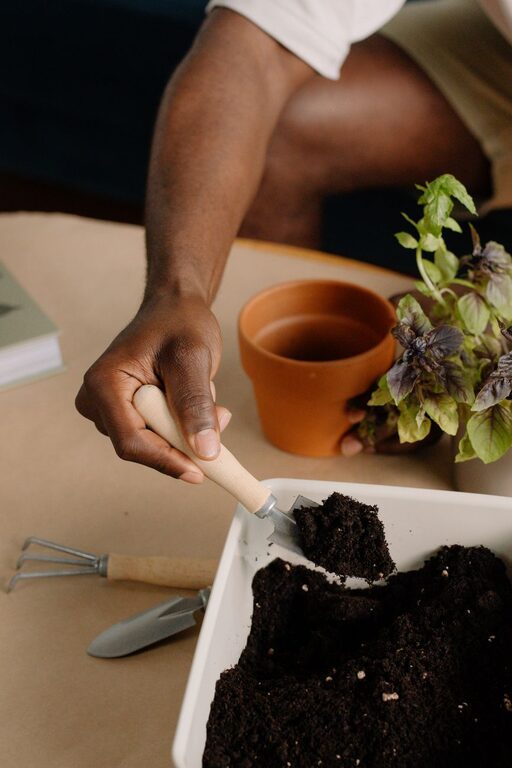
Starting a small herb garden indoors is a rewarding and practical hobby that anyone can enjoy. Whether you want fresh basil for your pasta or mint for your tea, growing herbs inside your home allows you to have these flavorful plants at your fingertips year-round. In this guide, we’ll walk you through everything you need to know to get started, from choosing the right herbs to care tips that will keep your garden thriving.
Indoor herb gardens are perfect for people with limited outdoor space or those living in areas with colder climates. They’re also a great way to add greenery to your home and enjoy fresh flavors while cooking. Plus, growing herbs indoors can boost your mood and improve air quality.
Not all herbs grow equally well indoors, so it’s important to pick varieties suited for indoor conditions. Here are some popular and easy-to-grow herbs:
– Basil: Needs plenty of sunlight and warmth.
– Mint: Grows well in partial shade and spreads quickly.
– Parsley: Prefers moderate sunlight and moist soil.
– Thyme: Thrives in bright light with minimal watering.
– Chives: Adaptable and great for small containers.
– Cilantro: Likes cooler temperatures and bright light.
Start with one or two herbs to avoid being overwhelmed.
Before planting, gather these basic supplies:
– Containers: Small pots with drainage holes work best. You can reuse old containers if they have proper drainage.
– Potting soil: Use a light, well-draining potting mix designed for indoor plants.
– Seeds or seedlings: You can start from seeds or purchase young herb plants from a nursery.
– Light source: A sunny windowsill with at least 6 hours of sunlight is ideal. Alternatively, use a grow light.
– Watering can: For precise watering.
– Labels: To keep track of your herb varieties.
Fill your pots with potting soil, leaving about an inch of space at the top. Lightly moisten the soil before planting.
– If using seeds, plant them according to the packet instructions—usually about twice as deep as the size of the seed.
– For seedlings, gently loosen the roots and place them in the soil, covering with enough soil to support the plant.
Place your pots near a window that gets plenty of sunlight or set up a grow light about 6 to 12 inches above the plants to provide needed light.
Water your herbs when the top inch of soil feels dry. Avoid overwatering, which can cause root rot.
Most herbs need 6-8 hours of bright, indirect sunlight. Rotate pots every few days so all sides of the plant get light.
Consistent, moderate watering is key. Herbs generally prefer to dry out slightly between watering. Check soil moisture regularly.
Herbs thrive between 65°F and 75°F. Avoid placing plants near drafts or heating vents. Moderate humidity levels are preferred.
Use a balanced, water-soluble fertilizer every 4-6 weeks during the growing season, but avoid over-fertilizing.
Regular trimming encourages bushier growth. Harvest leaves as needed, but don’t remove more than one-third of the plant at a time.
– Leggy plants: This usually means your herbs aren’t getting enough light. Move them closer to a window or add a grow light.
– Yellow leaves: Could be a sign of overwatering or poor drainage.
– Pests: Indoor herbs can attract aphids or spider mites. Wipe leaves with soapy water or use insecticidal soap.
– Start with herbs known to grow well indoors.
– Use good-quality soil and pots with drainage.
– Monitor your plants daily initially to catch problems early.
– Rotate plants to promote even growth.
– Enjoy the process—growing herbs is as much about patience as it is about care.
Starting a small indoor herb garden is easier than you might think and can be a fun, satisfying way to bring fresh flavors into your cooking. With a little planning and care, you’ll soon enjoy a thriving green space right in your kitchen or living room. Happy gardening!