 11
11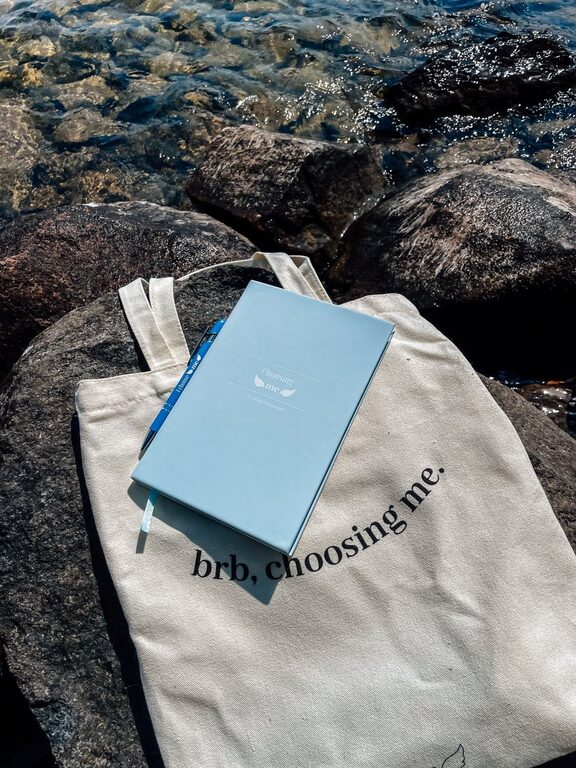
Choosing a notebook might seem like a simple task, but picking one that you’ll actually use regularly requires a bit of thought. With so many options on the market—different sizes, paper types, bindings, and styles—finding the right match for your needs can make a significant difference in how often you reach for it and how much you enjoy using it.
In this guide, we’ll explore practical tips to help you select a notebook that suits your lifestyle, preferences, and goals.
Before diving into the features, take a moment to think about why you want a notebook. Are you planning to use it for:
– Taking notes at work or school?
– Creative writing or journaling?
– Sketching or doodling?
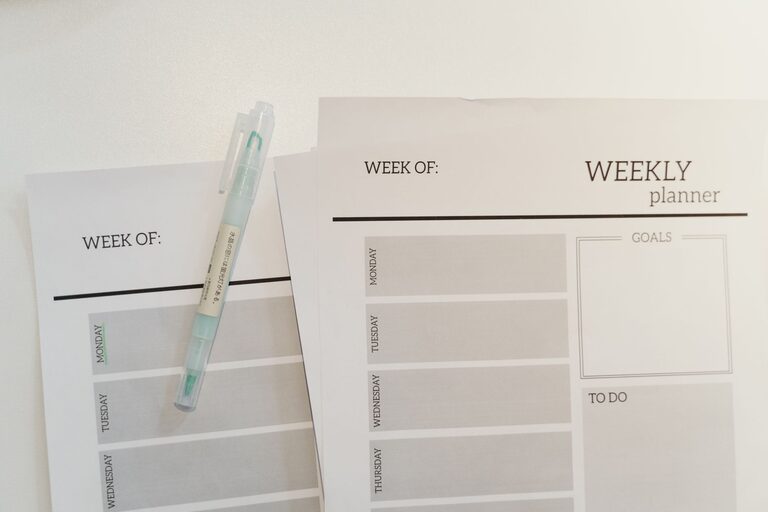
– Planning and organizing your tasks?
– Tracking habits or goals?
Understanding your primary use will guide you to the right style of notebook.
Notebook sizes vary widely. Choosing the right size impacts portability and usability.
– Pocket-sized (A6 or smaller): Very portable, easy to carry everywhere, but limited space for writing.
– Medium-sized (A5): Popular for general use, balances space and portability.
– Large (A4 or letter): Great for detailed notes, sketches, or planners but less portable.
If you often take notes on the go, a smaller notebook may be best. For desk work or journaling, larger pages might serve you better.
The kind of paper inside affects how your writing or drawing tools perform.
– Lightweight (around 50-70 gsm): Thin paper, more prone to ink bleed-through.
– Medium weight (70-100 gsm): Standard and suitable for most pens.
– Heavyweight (above 100 gsm): Ideal for markers, fountain pens, and art supplies with minimal bleed.
– Smooth paper: Best for fountain pens and smooth writing.
– Textured or toothy paper: Great for pencils, charcoal, or brush pens.
– White: Crisp and clear, ideal for most uses.
– Cream or off-white: Easier on the eyes, gives a classic look.
– Colored or grid paper: Useful for bullet journaling or creative projects.
Binding affects how the notebook lies flat and its durability.
– Spiral or coil binding: Allows pages to lay flat or fold back, good for note-taking.
– Hardcover: Durable and protects pages, suitable for frequent use.
– Softcover: Lightweight and flexible, ideal for portability.
– Sewn binding: Durable and often allows the notebook to open flat, great for long-term use.
Consider how you like to write—if you prefer a notebook that stays open easily, spiral or sewn bindings might be preferable.
Page layouts influence how you organize your notes or drawings.
– Blank pages: Great for sketching and freeform writing.
– Lined pages: Perfect for general writing and note-taking.
– Grid or graph pages: Helpful for charts, diagrams, or bullet journaling.
– Dot grid: Popular among planners and creatives because it’s subtle but structured.
Choose the layout that fits your style and helps you stay organized.
Sometimes small extras can make a big difference.
– Numbered pages: Useful for creating an index.
– Built-in bookmarks or elastic closures: Helps keep your place and secure your notebook.
– Pocket inside cover: Handy for storing loose papers or notes.
– Perforated pages: Easy to tear out when needed.
If you prefer certain pens or pencils, ensure the notebook’s paper is compatible to avoid smudging or bleed-through.
Testing your favorite pen on a sample page or similar notebook can save frustration later.
Your notebook should invite you to use it. Whether it’s a sleek minimalist cover or a colorful, patterned design, choose something that feels inspiring and suits your personality.
Quality notebooks range from budget-friendly to premium. Decide on your spending limit but keep in mind that investing in a well-made notebook can encourage more frequent use.
If sustainability is important to you, look for notebooks made from recycled paper or eco-friendly materials.
– Keep it accessible: Store your notebook where you’ll see it regularly.
– Set small goals: Write in it daily or weekly to build a habit.
– Customize it: Add stickers, tabs, or color codes to make it fun.
– Carry it with you: Having it always on hand encourages spontaneous note-taking or drawing.
—
Choosing a notebook you’ll actually use is about balancing your needs, preferences, and habits. By considering size, paper type, binding, layout, and style, you can find a notebook that not only fits your tasks but also inspires you to pick it up consistently. Take the time to explore different options and remember that the best notebook is the one that feels right for you.
Happy writing!