
 11
11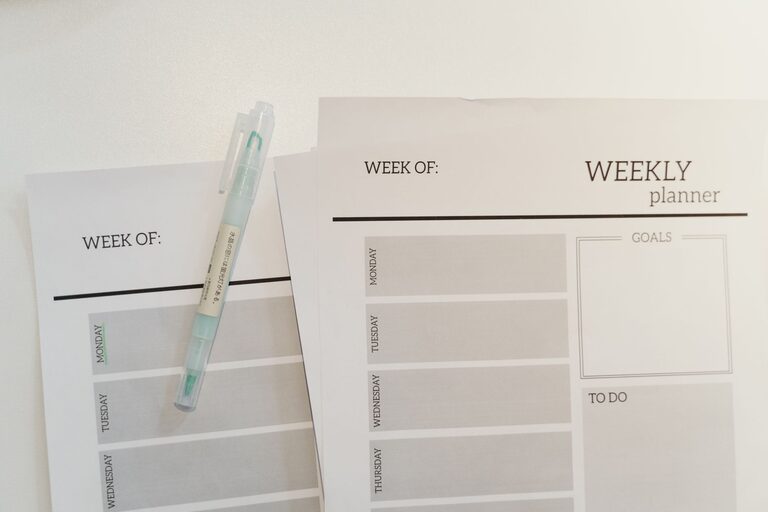
Setting weekly goals is a powerful way to stay focused, organize your tasks, and make steady progress toward your larger objectives. However, the key to real progress lies in setting realistic goals that are achievable within the time you have. Unrealistic goals often lead to frustration and burnout, while well-planned goals encourage motivation and a sense of accomplishment.
In this post, we’ll guide you through practical steps to help you set realistic weekly goals that align with your priorities and fit your schedule.
Weekly goals help break down larger projects into manageable parts. They:
– Provide clear direction for each day.
– Keep your priorities in sight.
– Help you track progress regularly.
– Build momentum and motivation.
– Improve time management.
By focusing on what you can realistically accomplish in a week, you avoid overwhelm and set yourself up for consistent success.
Start by understanding your long-term goals. What do you want to achieve in the next few months or years? Weekly goals should be stepping stones that bring you closer to your bigger vision.
Ask yourself:
– What are my main priorities right now?
– Which projects or habits will have the greatest impact?
– Are there any deadlines approaching?
This reflection ensures your weekly goals support what truly matters.
Before planning new goals, look back at the previous week:
– Which goals did you meet?
– Which ones did you miss, and why?
– What challenges came up?
Use this insight to adjust your expectations. If last week was too ambitious, consider scaling back. If you accomplished all goals easily, you might be able to challenge yourself a bit more.
Make a list of tasks or targets you want to achieve in the upcoming week. Then, prioritize them based on importance and urgency.
Using methods like the Eisenhower Matrix (dividing tasks into urgent/important, urgent/not important, etc.) can help you decide what to focus on.
Limit your weekly goals to the top 3 to 5 priorities. Trying to do too much often leads to burnout.
Large tasks can feel intimidating. Break them down into smaller, concrete actions you can complete within a day or two. For example:
– Instead of “Write blog post,” try “Outline blog post” or “Research blog topic.”
– Instead of “Organize office,” try “Sort through paper documents.”
This approach makes tasks more approachable and boosts your confidence as you check off each step.
Vague goals are hard to track. Use SMART criteria to make your goals:
– Specific: Clearly state what you want to achieve.
– Measurable: Define how you will know when it’s done.
– Achievable: Set goals that are possible within your week.
– Relevant: Align goals with your bigger priorities.
– Time-bound: Set a deadline within the week.
For example, instead of “Exercise more,” say “Walk 30 minutes 4 times this week.”
Be realistic about how much time you actually have. Consider work hours, family commitments, rest, and unexpected events.
Use a planner or calendar to block off time for each goal-related task. This helps prevent overscheduling and keeps your goals achievable.
Writing your goals increases commitment. Use a journal, planner, or digital tool to record your weekly goals. Make them visible by posting them somewhere you see often.
You might also want to share your goals with a friend or accountability partner who can encourage you.
Review your progress each day. At the end of the day, ask:
– What did I accomplish toward my weekly goals?
– What can I do tomorrow to stay on track?
Regular check-ins let you make adjustments early if needed.
Recognize and celebrate when you complete goals or steps. Celebrations don’t have to be big — a short break, a treat, or a moment of reflection boosts motivation.
Sometimes things don’t go as planned due to unexpected events or shifts in priorities. It’s okay to adjust your goals as needed.
Avoid self-criticism if you don’t accomplish everything. Instead, focus on what you learned and how you can improve next week.
| Goal | Specific Tasks | Priority | Deadline | Status |
|—————————|———————————–|———-|———-|———|
| Write blog post | Outline, research, draft, edit | High | Friday | Ongoing |
| Exercise regularly | Walk 30 minutes 4 times this week | Medium | Sunday | Pending |
| Organize work files | Sort documents, archive papers | Low | Saturday | Pending |
– Start small if you’re new to goal setting.
– Use digital tools like calendars, apps, or reminders.
– Balance work goals with personal and self-care goals.
– Keep your goals visible and review them regularly.
—
Setting realistic weekly goals is a simple yet powerful habit that can improve your productivity and overall satisfaction. By following these steps and being consistent, you’ll build momentum toward achieving your bigger dreams, one week at a time.